Products with Halal Certificate
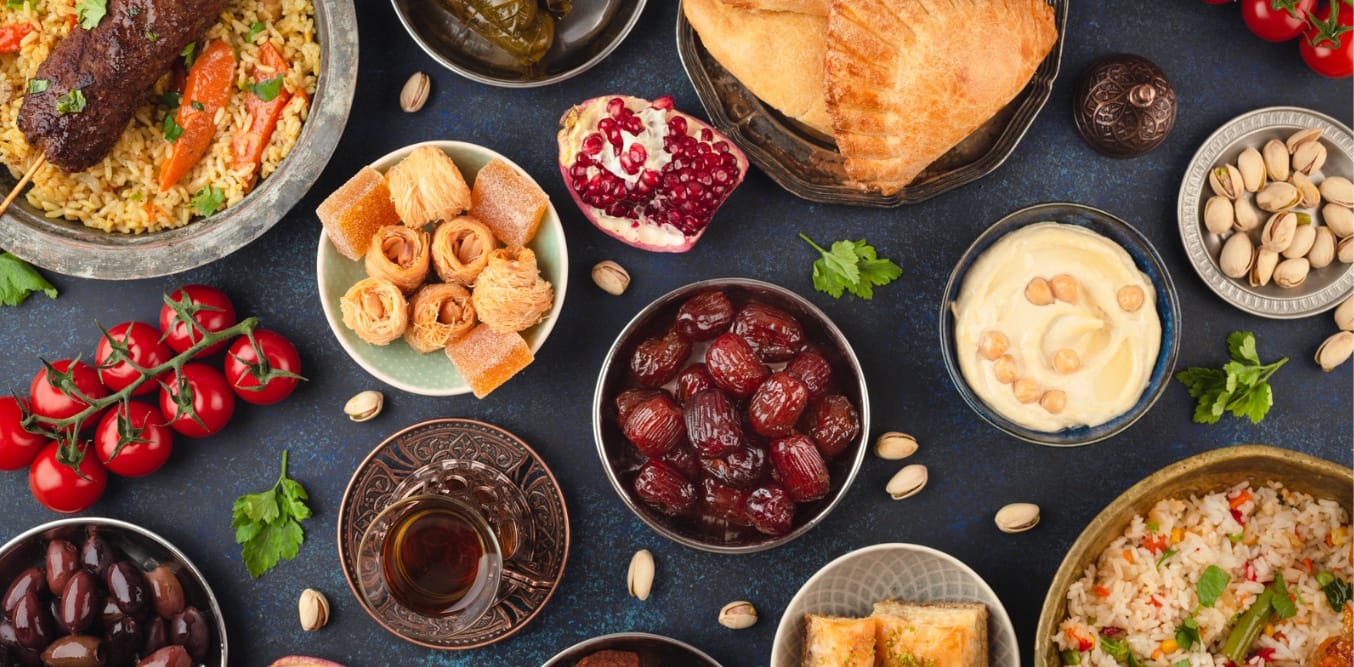
A halal certificate refers to the certification of food and other products produced according to Islamic jurisprudence. This certificate is not limited to food products but also covers various product categories. Particularly, food products are the most requested area for halal certification. Halal-certified food products are generally categorized into agricultural products, meat and meat products, dairy and dairy products, as well as processed foods.
- Agricultural products
Some of the products certified under Halal include grains, legumes, vegetables, and fruits. The natural growth of the crops without adding chemicals and its processing with this concern will offer consumers health and observe the rules that are commanded in religious legislation. Halal certification assures increased confidence by customers in those products with regard to Islamic specifications.
- Meat and meat products
The most important aspect for consideration when looking for a halal certificate is that of meat and meat products. The quality of these products rests in the observation of halal slaughter methods and food hygiene. All types of meat, such as beef, lamb, and chicken, are sold with a halal certificate; their accuracy is strictly controlled through holding thorough inspections.
- Milk and dairy products
The dairy products also bear halal certification and are at a strategic position in the market. Products such as yogurt, cheese, and milk, bearing halal certification, prove that they are prepared under Islamic regulations. Processed food items, through halal certification, enable the consumers to trust the product. This way, the number of healthy, superior quality, and halal food products increases and their consumption rises.
Halal Services and Sectors
Halal services relate to various sectors, designed under the requirements and norms of Islamic beliefs, and respects religious rules. These services are not limited to food and beverages only; rather, with time, they have diversified in many other fields of importance. In particular, the demand for halal service has increased mainly in travel, hospitality, education, and financial sectors. In this growth aspect, it can be attributed to the increasing consumer base that strictly holds high value for the accordance with Islamic values.
One of the important areas where halal services have received considerable attention is the travel industry. Halal travel aims to provide Muslim individuals with a travel experience that will cater to their religious needs. In this regard, halal-certified hotels, restaurants, and travel agencies assist consumers in enjoying their holidays comfortably by providing them with services that comply with Islamic principles. These services are marketed through halal certification and become a part of the important marketing strategies of businesses.
Similarly, the hospitality sector has also recorded increased demand for halal services, where halal-compliant hotels offer halal food and beverage options to make the accommodation experience of their guests more in line with Islamic rules. A similar trend is taking place in the education sector, with many educational institutions offering halal educational programs and courses to ensure that Muslim students receive an education that agrees with their beliefs.
Another important category under halal services is the financial sector. Referred to as halal finance, this system emphasizes the creation of products and services that conform to the principles of Islamic finance and thus increase the reliability of the services that provide halal certification for financials. Generally, the scope of halal services extends beyond products to ensure that the services providing these products are compliant with religious beliefs.
Halal Food Production
The halal certificate is an important thing in Muslim communities, and it is issued under the management of different organizations. In Turkey, one of the most recognized authorities is our institution that provides services of 18 accredited international Halal certifications. International Halal provides extensive audits with a view of verifying that both the products and manufacturers are compliant with the Halal standards.
Before a halal certificate can be obtained, there must be confirmation whether an institution has the accreditation and validity to provide them.
A licensed institution can easily secure recognition internationally in its issued halal certificates. Again, investigating what standards it offers and holds halal certificates on, becomes key criteria that one has to employ while settling on a business premise seeking halal certification.
In the final analysis, important considerations in selecting halal certificate-issuing organizations include accreditation, international recognition, and the relevant standards.
Some of Our International Accreditations:

 If you want to obtain a halal certification valid anywhere in the world, you are at the right place